10 Easy Swaps for a Sustainable Kitchen
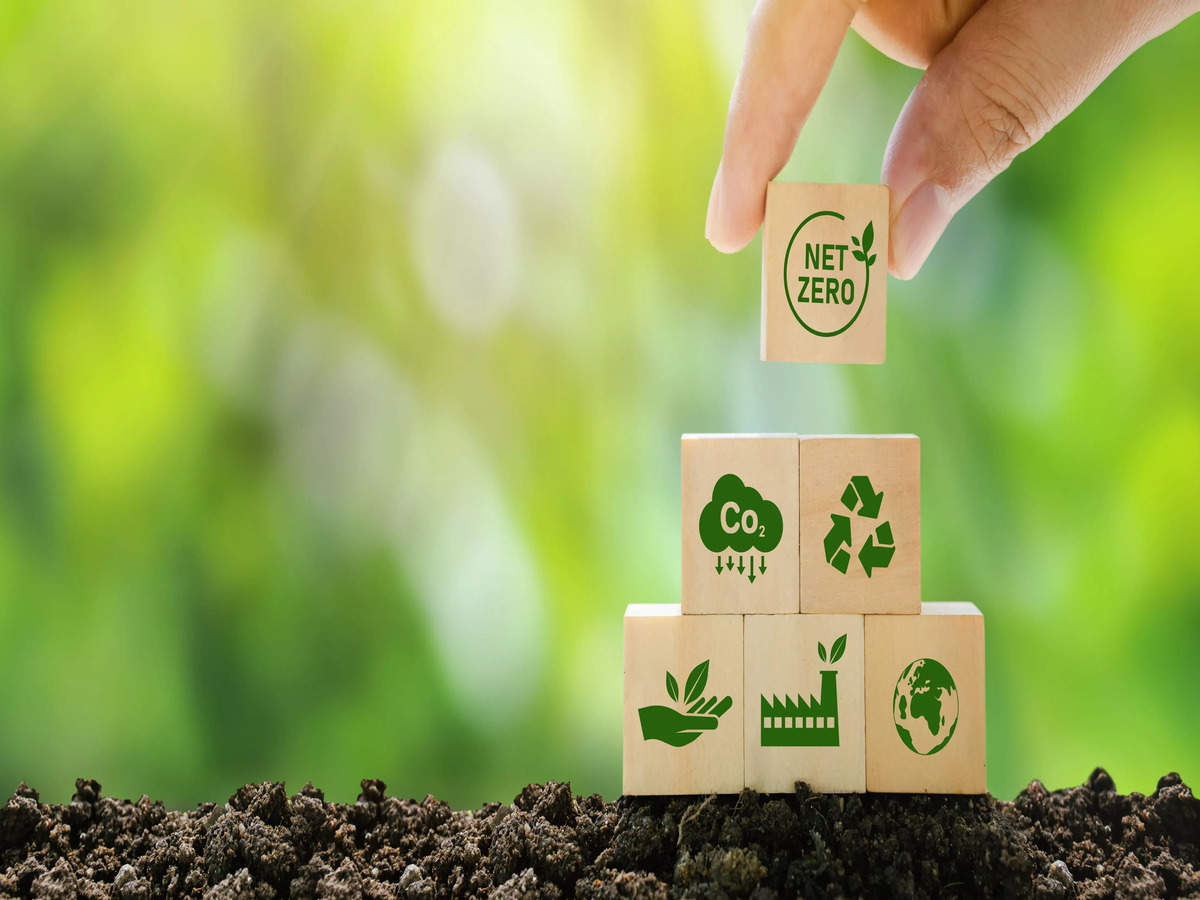
Transitioning to a sustainable kitchen doesn't have to be daunting. Here are 10 easy swaps that can make a significant impact on your environmental footprint. Start with reusable produce bags instead of single-use plastic bags; these are perfect for your fresh fruits and vegetables. Next, consider using Bamboo utensils rather than plastic ones, as bamboo is biodegradable and sustainably sourced. Opt for a compost bin to reduce food waste, which can help you create nutrient-rich soil for your garden.
Another easy swap is to use glass containers instead of plastic for food storage. Not only are they healthier, but they also last longer and can be recycled. If you're still using disposable paper towels, switch to cloth napkins or reusable kitchen towels for a more sustainable cleaning solution. Finally, invest in a water filter to reduce bottled water consumption, making your kitchen eco-friendlier while saving you money in the long run. With these small adjustments, you can create a truly sustainable kitchen that's both functional and eco-conscious.
Counter-Strike is a highly popular first-person shooter game that emphasizes teamwork and strategy. Players can engage in thrilling matches, where they take on the roles of terrorists or counter-terrorists in various missions. For those looking to protect their devices while enjoying gaming, check out the Top 10 Pixel Phone Cases for great options to keep your phone safe during intense gaming sessions.
How Reducing Food Waste Can Impact the Environment
Reducing food waste is not just a matter of saving money; it plays a crucial role in impacting the environment. Each year, approximately one-third of all food produced globally is wasted, leading to significant environmental consequences. For instance, wasted food contributes to greenhouse gas emissions, as decomposing organic matter in landfills releases methane, a potent greenhouse gas. By minimizing food waste, we can decrease the strain on our waste management systems and reduce harmful emissions. A shift towards more sustainable consumption patterns can foster a healthier planet and promote resource conservation.
Moreover, reducing food waste leads to more efficient use of natural resources such as water, land, and energy. It takes vast amounts of water and energy to produce food, and when food is discarded, all those resources go to waste. By being mindful of our food consumption and implementing practices such as meal planning, proper storage, and creative repurposing of leftovers, we not only save food but also significantly lessen our environmental footprint. Each small change can accumulate into a substantial impact, making our actions vital in the fight against climate change and environmental degradation.
What Are the Benefits of Using Eco-Friendly Products?
Using eco-friendly products offers numerous benefits that contribute to a healthier planet and a sustainable future. Firstly, these products are typically made from natural, biodegradable materials that minimize environmental impact. By choosing eco-friendly options, consumers reduce the amount of waste that ends up in landfills, helping to conserve resources and protect wildlife. Additionally, many eco-friendly products are free from harmful chemicals, making them safer for both human health and the environment. This shift towards natural ingredients can lead to fewer allergic reactions and health issues.
Moreover, utilizing eco-friendly products can also enhance your personal well-being and save money in the long run. For instance, products like reusable bags, water bottles, and cleaning supplies often lead to less consumption and waste, which can significantly cut down on household expenditures. Furthermore, many eco-friendly products are designed to be durable and long-lasting, reducing the need for frequent replacements. Embracing these sustainable alternatives not only supports environmental preservation but also fosters a culture of responsibility and mindfulness in consumerism.