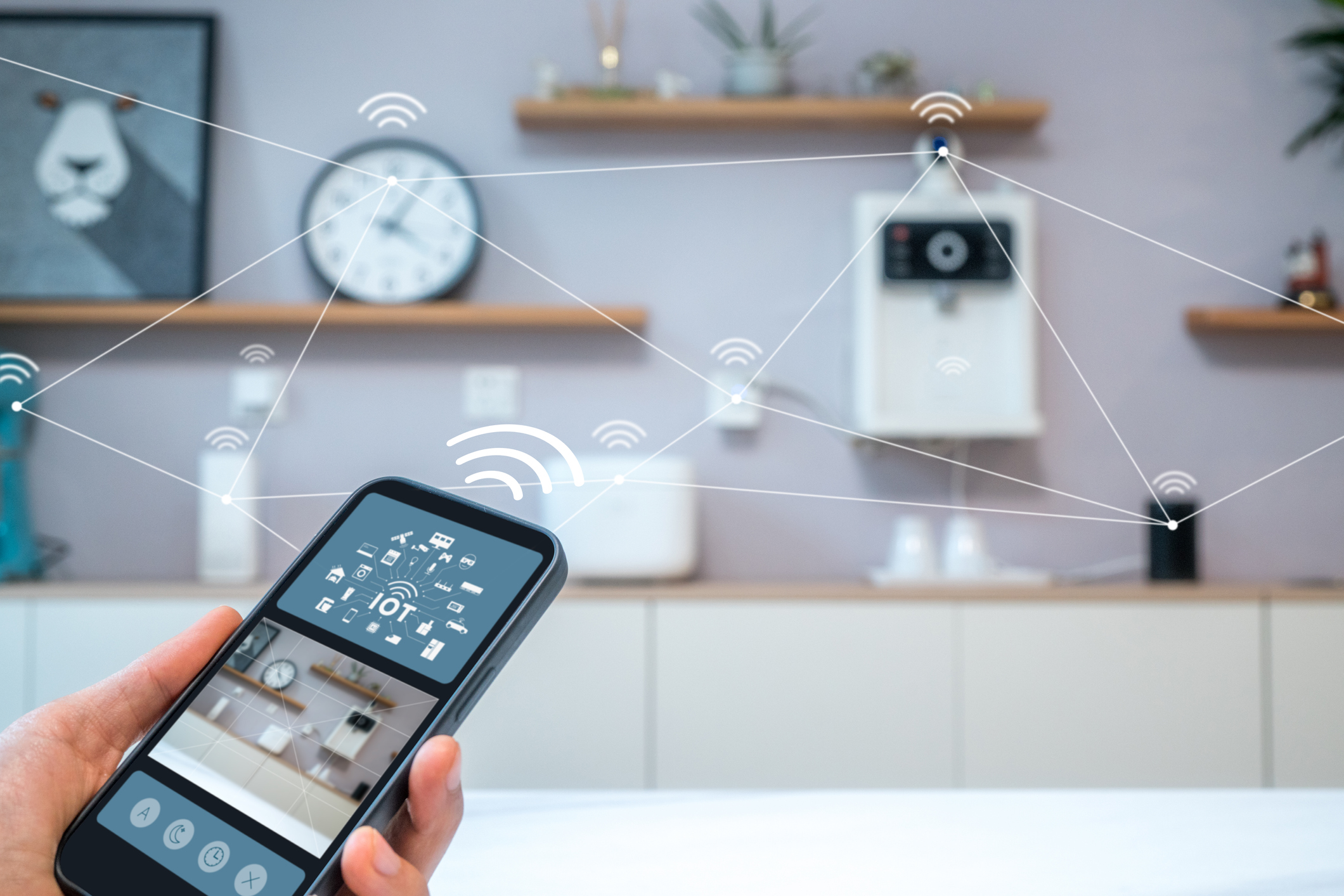
10 Must-Have Smart Devices for Your Next Home Upgrade
Upgrading your home with the latest technology can significantly enhance both comfort and efficiency. Smart devices are at the forefront of this home automation trend, making it easier to control various aspects of your living space. Here are 10 must-have smart devices to consider for your next upgrade:
- Smart Thermostat: Optimizes heating and cooling schedules, saving you money on energy bills.
- Smart Lighting: Allows remote control and scheduling, enhancing convenience and energy efficiency.
- Smart Security Camera: Provides real-time monitoring and alerts for your home's safety.
- Smart Door Lock: Replaces traditional keys with a secure, app-controlled locking system.
- Smart Speaker: Acts as a central hub to control all your devices with voice commands.
- Smart Plug: Transform any device into a smart one with remote control capabilities.
- Smart Refrigerator: Helps you track groceries and manage food inventory efficiently.
- Smart Vacuum: Automates cleaning tasks, providing a spotless home with minimal effort.
- Smart Smoke Alarm: Sends alerts to your phone, keeping you informed of potential dangers.
- Smart Home Hub: Integrates various smart devices into a cohesive home automation system.
Counter-Strike is a highly popular multiplayer first-person shooter game that emphasizes team-based gameplay. Players can choose to play as terrorists or counter-terrorists, with each side having specific objectives to accomplish. For players looking to enhance their home audio experience while gaming, check out the Top 10 homepod accessories that can elevate your setup.
How to Create a Seamless Smart Home System: Tips and Tricks
Creating a seamless smart home system involves careful planning and consideration of various components that can work together efficiently. Start by identifying the key devices you want to incorporate, such as smart lights, thermostats, or security cameras. It’s essential to choose products that are compatible with a central hub or app to ensure smooth integration. This allows for centralized control and automation, making your smart home system more user-friendly and effective.
Once you have your devices selected, network stability is crucial for ensuring your smart home operates without hiccups. Invest in a reliable Wi-Fi router and consider creating a dedicated network for your smart devices to minimize interference. Additionally, make use of automation features and schedules to optimize the performance of your system. For instance, setting your lights to turn on at dusk or your thermostat to adjust before you arrive home can significantly enhance your living experience.
Are Smart Homes Worth the Investment? Pros and Cons Revealed
Investing in a smart home can bring numerous benefits that enhance convenience, energy efficiency, and security. A smart home allows homeowners to manage their space with the touch of a button, integrating devices like smart thermostats, lighting systems, and security cameras. For instance, programmable thermostats can significantly reduce energy bills by adjusting temperatures based on your routine. Furthermore, the peace of mind that comes from monitoring your home remotely through mobile applications is invaluable.
However, there are also cons to consider before diving into the world of smart homes. One major concern is the cost; initial investments can be steep, and ongoing maintenance or upgrades may also add to the financial burden. Additionally, the reliance on technology raises issues of privacy and security, as smart devices can be vulnerable to hacking. Ultimately, while smart homes can enhance your living experience, potential buyers should weigh these pros and cons carefully before making an investment.