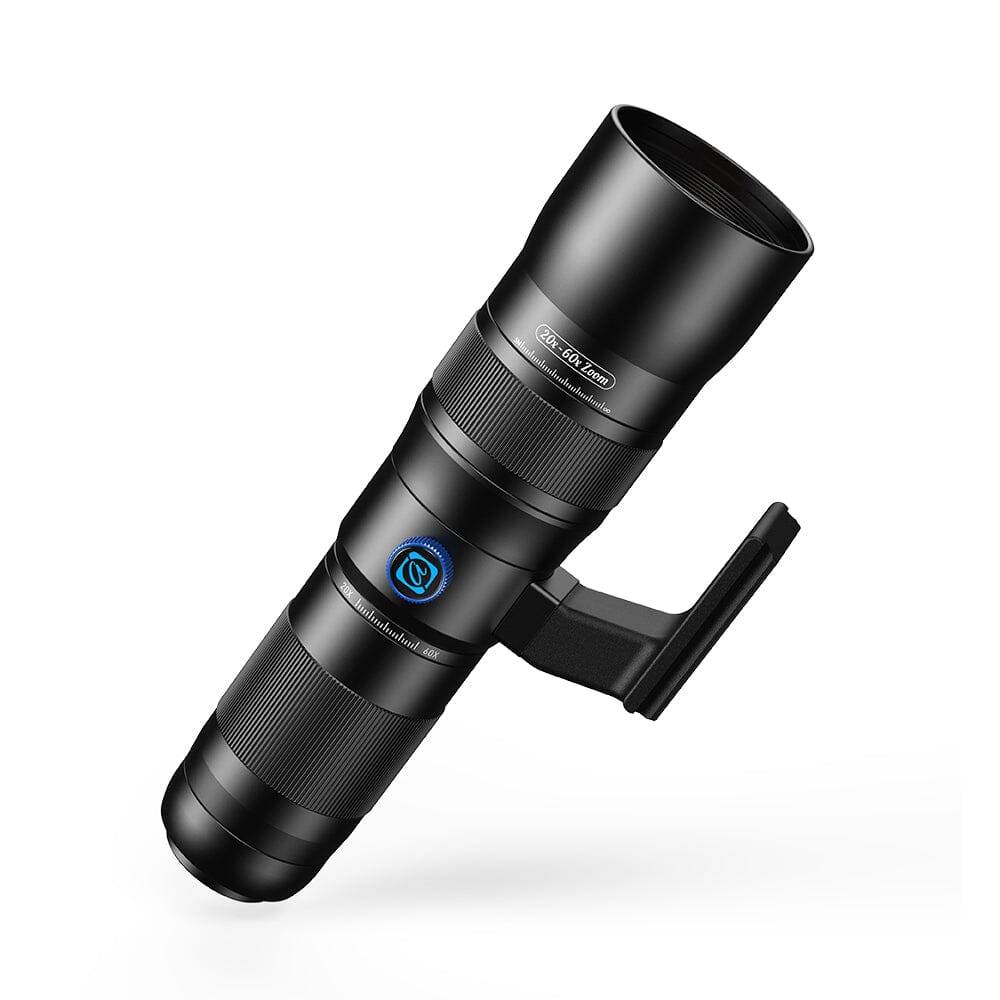
Capturing Wildlife: Top Tips for Using Telephoto Lenses
Capturing wildlife in its natural habitat can be a rewarding experience, and having the right equipment is essential for success. One of the best tools for this purpose is a telephoto lens, which allows photographers to get close-up shots without disturbing the animals. When using a telephoto lens, it's crucial to consider factors such as shutter speed, aperture, and ISO settings to ensure sharp and clear images. Additionally, patience is key—spending time observing your subject can lead to stunning opportunities that showcase the beauty and behavior of wildlife.
To maximize your results, here are some top tips for utilizing telephoto lenses effectively:
- Choose the right focal length: Depending on your subject, select a lens with an appropriate focal length for your specific situation.
- Stabilize your shot: Use a tripod or monopod to avoid camera shake and achieve clearer images.
- Practice good field technique: Remain quiet and aware of your surroundings to avoid startling wildlife.
- Experiment with composition: Use the rule of thirds to create visually appealing shots that tell a story.
Counter-Strike is a popular tactical first-person shooter game that pits teams of terrorists against counter-terrorists in various scenarios. Players engage in objective-based gameplay, often focusing on rescuing hostages, defusing bombs, or eliminating the opposing team. For those who enjoy capturing their gameplay moments, using the right equipment is essential, including the Top 10 iPhone camera lenses that can enhance your mobile photography capabilities. With its competitive scene and regular updates, Counter-Strike continues to be a favorite among gamers worldwide.
The Science Behind Telephoto Photography: How Zooming In Reveals Nature's Secrets
Telephoto photography is a fascinating aspect of imaging that allows photographers to capture distant subjects with clarity and detail. Utilizing long focal lengths, telephoto lenses magnify the subject while maintaining a shallow depth of field, which can create stunning, tightly composed images. For instance, wildlife photographers rely on these lenses to capture intimate moments of animals in their natural habitats, revealing their behavior and features that would otherwise be invisible from a distance. This capability not only enhances the visual appeal of the photographs but also serves as a powerful tool for studying and documenting
nature's secrets.
The science behind telephoto photography involves understanding optics and how light behaves when passing through lenses. When zooming in, the lens compresses the perspective, making elements in the background appear closer to the subject. This effect can create captivating compositions that focus on intricate details, such as the textures of leaves or the patterns of a bird's feathers. Additionally, telephoto lenses can help isolate subjects from their surroundings, allowing viewers to appreciate the beauty of nature without distractions. By mastering this technique, photographers unlock a new dimension of storytelling in the natural world.
What to Look for When Choosing the Perfect Telephoto Lens for Wildlife Adventures
When selecting the perfect telephoto lens for your wildlife adventures, it's essential to consider several critical factors. First, evaluate the focal length you need, as this determines how far away you can be from your subject while still capturing sharp, detailed images. Generally, a lens with a focal length of 300mm or more is preferred for wildlife photography, allowing you to stay a safe distance from animals. Additionally, you'll want to look for a lens that offers a wide maximum aperture, such as f/2.8 or f/4, as this will enhance your ability to shoot in low-light conditions and create beautiful background bokeh.
Another vital aspect to consider is the lens's image stabilization features. Wildlife photography often requires quick movements and steady shots, so a lens equipped with robust stabilization technology will help you capture sharp images even at longer focal lengths. Furthermore, pay attention to the build quality and weather sealing of the lens, as wildlife photography takes you into various environments, and a durable lens will withstand the elements. Lastly, don't forget to check for compatibility with your camera system, ensuring that you can seamlessly integrate your new telephoto lens into your existing gear.