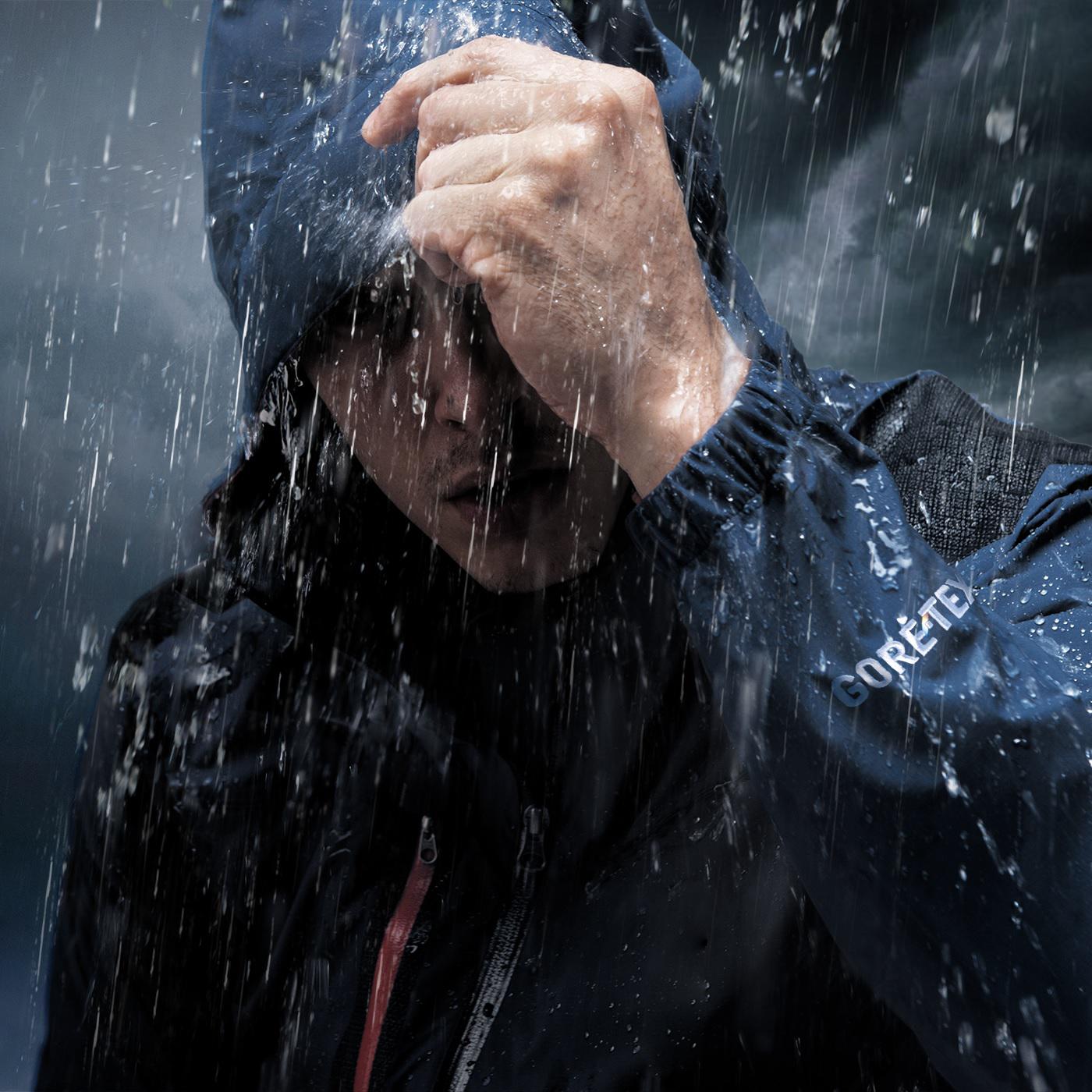
Unveiling the Secrets: 10 Unexpected Items That Are Waterproof
When we think of waterproof items, our minds typically jump to raincoats, boots, or perhaps even high-tech gadgets. However, there are surprising everyday objects that boast waterproof qualities, often catching us off guard. For instance, many brands of smartphone cases are designed to withstand water submersion, transforming our devices into reliable companions during outdoor adventures. Additionally, certain watches come with impressive waterproof ratings, allowing them to function flawlessly even in wet conditions.
Let’s delve into the top 10 unexpected items that can be classified as waterproof:
- Cardboard: Treated cardboard can resist water damage if properly sealed.
- Yoga mats: Many are constructed with waterproof materials.
- Paint: Waterproof paint can protect walls and surfaces from moisture.
- Flash drives: Some are designed to survive water exposure.
- Books: Synthetic cover books can repel water.
- Tarps: Often used for camping, they effectively keep moisture away.
- Headphones: Certain models feature waterproof designs for sports enthusiasts.
- Canvas shoes: Many come treated to resist water infiltration.
- Outdoor furniture: Many types are designed to withstand rain.
- Notebooks: Some are crafted with waterproof pages for outdoor writing.
Counter-Strike is a popular series of multiplayer first-person shooter video games that has captivated gamers since its initial release in 1999. Players engage in team-based combat, choosing to play as either terrorists or counter-terrorists in various game modes. For those looking to protect their devices while gaming on-the-go, consider checking out the Top 10 iphone rugged cases to ensure your phone can withstand the action.
How Waterproof Technology is Revolutionizing Everyday Products
In today's fast-paced world, waterproof technology is transforming everyday products, making them more durable and user-friendly. From smartphones to clothing, the advancements in waterproof materials have opened up new possibilities for consumers and manufacturers alike. For instance, innovations in nanotechnology have led to the creation of coatings that repel water at a molecular level, ensuring that devices and apparel remain functional and effective even in challenging environments. This shift not only enhances user experience but also extends the lifespan of items, contributing to sustainability by reducing waste.
Moreover, waterproof technology has found its applications across various industries, leading to significant improvements in product performance. Notable examples include:
- **Electronics:** Waterproof smartphones and smartwatches allow users to engage with technology without fear of damage from spills or rain.
- **Outdoor Gear:** Waterproof jackets and footwear provide protection against the elements, enhancing comfort and safety during outdoor activities.
- **Home Goods:** Appliances like waterproof speakers and durable kitchen gadgets resist moisture, making them ideal for use in challenging conditions.
This surge in waterproof innovation is not just a trend; it represents a fundamental shift in how products are designed, offering greater versatility and reliability in our daily lives.
Can You Really Make Anything Waterproof? Exploring Myths and Facts
The concept of making items waterproof often seems tantalizingly simple, leading many to ask, can you really make anything waterproof? There are various products available, ranging from sprays to coatings, that promise to provide a protective barrier against water damage. However, the truth is that not all materials can be rendered completely waterproof. While certain fabrics and materials can be treated to repel water effectively, they may still be susceptible to moisture penetration under extreme conditions. Understanding the science behind waterproofing is crucial in debunking common myths surrounding this topic.
One popular myth is that any object can be made waterproof with the right product. In reality, the effectiveness of waterproofing depends largely on the material's composition. For instance, a waterproof coating can work miracles on synthetic surfaces, yet it may not adhere properly to porous materials like leather or wood. Additionally, it's essential to follow the manufacturer’s instructions for application to achieve optimal results. In conclusion, while many items can be treated for increased water resistance, the assertion that anything can be made truly waterproof is more fiction than fact.